

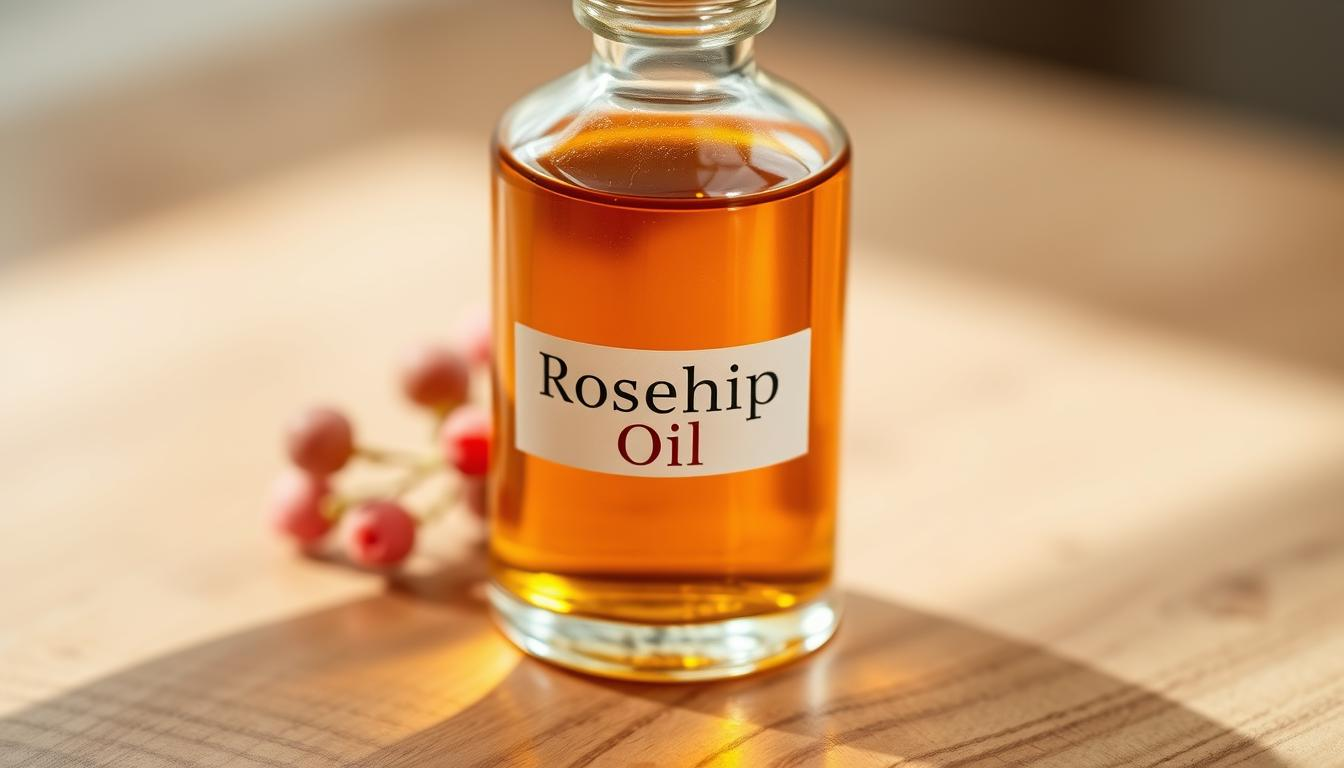
This guide explains what rosehip oil is, what it can realistically do for hair and scalp health, and how to use it correctly. Rosehip oil is a cold-pressed seed oil extracted from the hips and seeds of Rosa canina—not from rose petals. It naturally contains linoleic and oleic fatty acids, vitamins A, C and E, and antioxidant compounds such as polyphenols.
We take a science-led, realistic approach. Current evidence supports rosehip oil’s ability to moisturise, calm inflammation and improve the condition of skin. These effects may help create a healthier scalp environment and reduce hair breakage over time. However, direct evidence that rosehip oil alone stimulates new hair growth is still limited.
Throughout this article, rosehip seed oil is the primary active ingredient discussed. Cleansing is mentioned only as a preparatory step to ensure the scalp is clean so topical oils can work effectively.
Why Rosehip Oil Is Trending for Hair Care in Australia
Interest in rosehip oil reflects a broader shift toward lightweight, plant-based products that suit Australia’s climate and simple routines. Many people want visible improvements—shine, softness and comfort—without heavy buildup.
Another driver is scalp-first care. Concerns about dryness, flakes and irritation from harsh shampoos or hard water have encouraged gentler routines that support the scalp barrier. Cold-pressed seed oils appeal because they retain fragile fatty acids and antioxidants that help soothe irritation and protect the skin surface.
Key reasons for its popularity include:
-
Lightweight texture that suits humid summers and dry seasons
-
Multifunctional use for scalp comfort and hair appearance
-
Minimal ingredient profiles that feel transparent and trustworthy
What Is Rosehip Oil and How It Differs from Rose Oil
Rosehip oil is a carrier oil, while rose oil is an essential oil. Understanding this difference helps prevent misuse.
Source and extraction
Rosehip oil is cold-pressed from the fruit and seeds of Rosa canina. This process preserves delicate fatty acids and antioxidants, resulting in a light oil that absorbs quickly with minimal greasiness.
Rose essential oil, by contrast, is steam-distilled from petals. It is highly concentrated, strongly aromatic and must always be diluted before skin or scalp use.
Nutrient profile
Rosehip seed oil contains:
-
Linoleic and oleic fatty acids for barrier support
-
Vitamins A, C and E
-
Antioxidant polyphenols
These nutrients support hydration and comfort rather than acting as drugs that directly alter hair follicles.
Science-Backed Benefits for Scalp and Hair
Moisture barrier support and shine
Fatty acids help reinforce the skin’s moisture barrier, reducing water loss. Better hydration smooths the cuticle, improving light reflection and shine.
Improved elasticity and reduced breakage
By supporting lipid balance, rosehip oil can improve strand flexibility. More elastic hair is less likely to snap during brushing or heat styling.
Soothing dry or irritated scalps
Antioxidants and vitamin E have anti-inflammatory properties that can calm itch and tightness when dryness or irritation is the cause.
Fuller-looking hair over time
A healthier scalp surface and reduced breakage can make hair appear denser and fuller, even without changes in follicle number.
Realistic outcome: smoother texture, calmer roots and less breakage rather than guaranteed faster growth.
Rosehip Oil for Hair Growth and Hair Loss: What Research Suggests
Plausible mechanisms
Linoleic and oleic acids integrate into surface lipids, helping normalise hydration and reduce micro-irritation that can worsen shedding. Antioxidants help buffer environmental stress on the scalp.
What evidence shows
Clinical studies on skin demonstrate moisturising and anti-inflammatory effects. These findings suggest potential scalp benefits, but large, direct trials on hair regrowth are still limited.
Expectations and timelines
-
Weeks: improved softness, shine and scalp comfort
-
Months: reduced breakage and the appearance of fuller hair
Rosehip oil should be viewed as supportive care, not a standalone treatment for medical hair loss.
How to Use Rosehip Oil for Hair
Step 1: Clean, calm scalp
Begin with a gentle, non-stripping cleanse to remove buildup. A clean scalp allows oils to absorb more evenly. Avoid harsh surfactants that leave the scalp tight or dry.
Step 2: Targeted scalp application
Part hair to expose dry or itchy areas. Apply 2–4 drops of rosehip oil and massage gently for 60–90 seconds. Leave on for up to 30 minutes, then rinse and cleanse lightly if needed.
Step 3: Mid-length and ends mask
Apply 1–3 teaspoons to damp mid-lengths and ends. Comb through, leave for 20–30 minutes, then rinse. Fine hair should start with smaller amounts.
Step 4: Light leave-in finish
Warm 1–3 drops between palms and smooth over ends to reduce frizz and improve slip.
Frequency: scalp care 1–2 times weekly; masks weekly or fortnightly; leave-in as needed.
Safety and Who Should Be Cautious
-
Patch test for 24 hours before first use
-
Avoid eyes and broken skin
-
Those with diagnosed scalp conditions or using topical medications should consult a clinician
-
Discontinue use if irritation occurs
Rosehip oil is best suited to people experiencing dryness, dullness or breakage rather than active inflammatory scalp disease.
Building a Supportive Routine
For best results, combine topical care with gentle handling, heat protection, balanced nutrition and stress management. Consistency matters more than heavy application—small amounts used regularly tend to work best.
Conclusion
Rosehip seed oil offers science-supported benefits for scalp comfort and hair appearance. Its fatty acids and antioxidants help moisturise skin, calm irritation and improve strand elasticity, which can reduce everyday damage and support a healthier environment for growth.
Be realistic: shine and softness usually appear first, while visible changes in fullness take time. Used consistently on a clean scalp and paired with sensible hair habits, rosehip oil can be a valuable part of a balanced hair-care routine.
FAQ
What is the difference between rosehip seed oil and rose essential oil?
Rosehip seed oil is cold-pressed from fruit and seeds and used for nourishment and barrier support. Rose essential oil is distilled from petals and mainly used for fragrance.
Can rosehip oil prevent hair loss?
It may help reduce breakage and shedding linked to dryness or irritation, but it is not a medical treatment for hair loss.
How long before results appear?
Scalp comfort and smoothness often improve within 2–6 weeks. Fuller appearance may take several months with consistent use.
Who should avoid it?
Those with seed allergies, active dermatitis or on prescription scalp treatments should seek medical advice before use.
Share:
Rosehip Oil Benefits for Skin Anti Aging Acne Scars and Hydration Explained
Bergamot Essential Oil Benefits for Skin, Mood, and Hair Backed by Research