

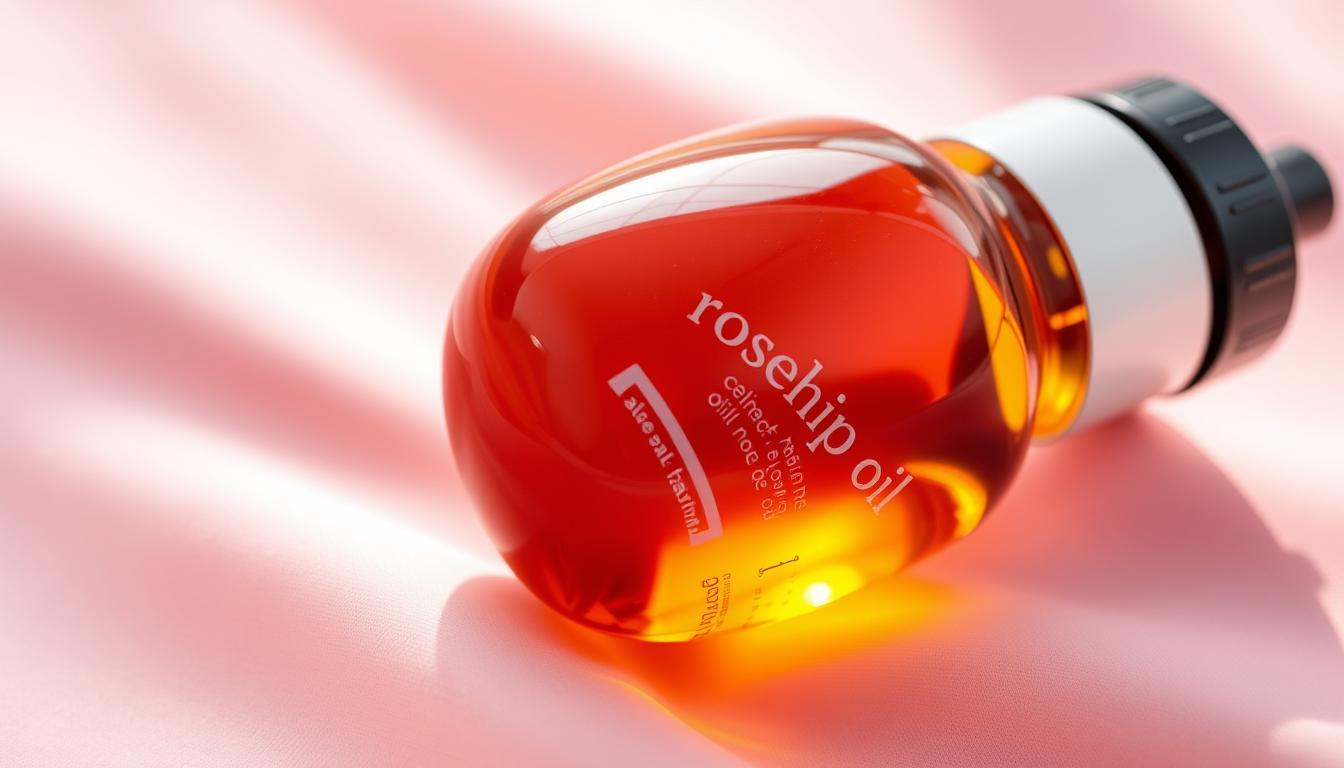
We look at a single, natural leave-on facial oil that helps calm, hydrate and brighten skin. In Australia, high UV exposure, air-conditioning and seasonal dryness mean many of us want simple, effective skincare without unnecessary steps. Rosehip seed oil is lightweight, absorbs quickly and suits most skin types when patch-tested.
It naturally contains vitamins A, C and E, antioxidants and essential fatty acids that support collagen maintenance and the skin barrier that locks in moisture. With consistent use, it can help soften the appearance of fine lines, even skin tone and reduce the look of post-acne marks over time.
We recommend choosing organic, cold-pressed rosehip seed oil stored in dark glass to protect sensitive nutrients. Patch test first, then apply a few drops after water-based serums to seal in hydration. Consistency matters more than quantity.
What Is Rosehip Oil and Why It Matters for Aussie Skin Right Now
Rosehip oil is a nutrient-dense seed extract that supports skin barriers challenged by sun, surf, wind and indoor air-conditioning.
From plant to bottle
It is cold-pressed from the orange-red hips and seeds of Rosa canina. This seed oil is not a cleanser and not a soap. Cold pressing preserves heat-sensitive fatty acids and antioxidants so the oil remains effective as a leave-on treatment.
Key compounds and what they do
-
Vitamins A, C and E: support collagen maintenance and brighter-looking tone
-
Polyphenols and carotenoids: provide antioxidant defence against photo-ageing
-
Linoleic and alpha-linolenic acids: strengthen the skin barrier and reduce moisture loss
Quality cues include organic certification, minimal processing and dark amber glass packaging.
Rosehip Oil Benefits for Skin: The Essential List
Below are the core, evidence-supported benefits you can realistically expect from regular use.
Hydration and moisture support
High levels of linoleic and alpha-linolenic acids reinforce the lipid barrier, helping reduce transepidermal water loss. Skin feels softer and more comfortable throughout long Australian days.
Anti-aging support
Vitamin A precursors and antioxidants help protect collagen and improve the appearance of fine lines and texture with consistent use. Studies on topical application show improvements in elasticity and smoothness over several weeks.
Brightening and calming
Vitamin C, beta-carotene and polyphenols help even skin tone and support a healthy glow while calming redness linked to irritation or dryness.
Acne marks and mild scarring
Regular application can soften the look of post-inflammatory hyperpigmentation and shallow acne marks over time. Deeper or indented scars usually require professional treatments.
Anti-Aging Made Simple: Collagen, Elasticity, and Fine Lines
Rather than aggressive actives, rosehip oil supports skin renewal through nourishment and protection.
Vitamin A precursors and antioxidant defence
Natural vitamin A derivatives help maintain normal cell turnover and collagen structure. Antioxidants such as vitamins A and E help defend against visible photo-ageing from high UV exposure. These benefits complement—rather than replace—daily sunscreen use.
Essential fatty acids and barrier function
By strengthening the barrier, essential fatty acids help skin retain moisture. Better hydration makes fine lines appear less noticeable and improves overall texture.
Acne-Prone Skin and Scars: How Rosehip Seed Oil Can Help
Rosehip seed oil is a leave-on oil, not a wash-off product. Its dry, fast-absorbing texture suits many acne-prone skin types when used correctly.
Lightweight absorption
The oil absorbs quickly and layers well under gel serums and sunscreen without leaving a greasy residue. Many formulations are considered low-comedogenic, though individual responses vary.
Supporting the appearance of acne scars
Its combination of vitamin A precursors, vitamin E and antioxidants can help calm visible inflammation and improve the look of post-acne marks over weeks of consistent use.
How to apply:
-
Use 2–3 drops at night
-
Press gently onto dark marks and surrounding skin
-
Avoid applying directly to inflamed or broken blemishes
-
Introduce slowly if you use acids or prescription retinoids
Hydration and Barrier Care for Lasting Comfort
Essential fatty acids play a behind-the-scenes role in keeping moisture where it belongs. By reducing transepidermal water loss, rosehip oil helps skin cope better with dry winds, indoor heating and air-conditioning.
For best results:
-
Apply hydrating serums first
-
Seal with a few drops of oil while skin is slightly damp
-
Use morning or night as needed
Store in a cool, dark place to protect freshness, especially in warm climates.
How to Add Rosehip Oil to Your Routine
This simple routine keeps the focus on rosehip oil as a treatment oil, not a cleanser.
Morning
-
Cleanse with your usual gentle cleanser
-
Apply hydrating or vitamin C serum
-
Press 2–3 drops of rosehip oil onto damp skin
-
Finish with sunscreen
Night
-
Cleanse
-
Apply treatment serums if used
-
Massage 2–3 drops of rosehip oil into face and neck to support overnight repair
Patch test before first use and reduce frequency if irritation occurs.
Conclusion
Rosehip seed oil offers well-supported benefits for skin hydration, barrier strength and overall tone. Its mix of essential fatty acids, vitamins and antioxidants helps soften the appearance of fine lines, calm irritation and reduce the look of post-acne marks with consistent use.
Keep expectations realistic: improvements in comfort, glow and texture usually appear first, while changes in pigmentation and scarring take longer. Used as a leave-on oil alongside sunscreen and gentle skincare, rosehip oil is a versatile addition to everyday routines.
FAQ
Is rosehip oil a cleanser or soap?
No. Rosehip oil is a leave-on facial oil made from pressed seeds. It is not a liquid soap, cleanser or wash-off product.
Can rosehip oil replace moisturiser?
It can help seal in moisture, but many people prefer using it alongside a light moisturiser, especially in very dry conditions.
Is it suitable for oily or acne-prone skin?
Many acne-prone users tolerate it well due to its light texture, but patch testing and gradual introduction are essential.
How long before results are visible?
Hydration and comfort may improve within 1–3 weeks. Changes in tone and post-acne marks typically require several weeks of consistent use.
Share:
MCT Coconut Oil Benefits - Science-Based Guide
Rosehip Oil for Hair: Benefits & How to Use