

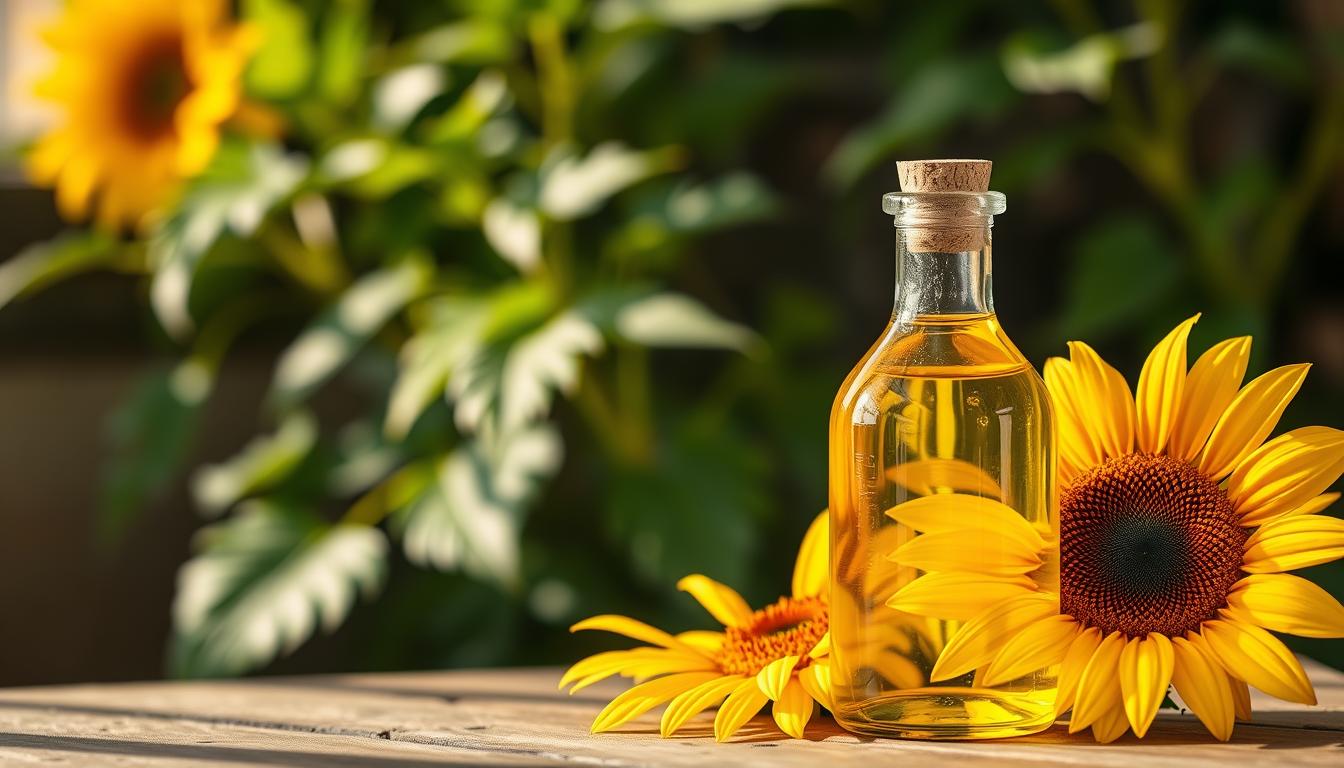
We at nakedpress believe that crafting your own skincare lets you use botanical power to suit your complexion.
In this short guide we take you through a clear, step-by-step approach to make a gentle moisturiser tailored to dry and sensitive skin.
You'll learn the basics of natural extracts, how they calm irritation and help restore a healthy glow.
Understanding the science behind this golden extract helps you choose ingredients that are both simple and effective, without relying on harsh commercial formulations.
Our aim is to empower you with safe, practical tips so you can add this versatile component into your daily beauty ritual from today.
Understanding the Benefits of Sunflower Oil for Face Care
We explain how this gentle extract shields skin and boosts moisture without heavy residue. Below we outline two principal ways it helps healthy complexions.
Antioxidant Protection
Vitamin E in the ingredient acts as a protective antioxidant. It helps defend the skin against free radicals and the sun's environmental stressors.
That defence can slow the visible appearance of fine lines and wrinkles while maintaining tone and radiance.
Barrier Support
The emollient nature helps smooth and soothe dry or reactive skin types. It absorbs well and stays lightweight, so it rarely clogs pores.
- Non-comedogenic carrier that provides gentle hydration.
- Supports the skin's natural barrier to retain moisture.
- Used in many skincare products because it balances natural oils and feels unobtrusive in daily routines.
We recommend this ingredient as a simple, effective option when you want hydration, antioxidant support and a barrier boost without fuss.
Why Sunflower Oil is Ideal for Sensitive and Dry Skin
We want gentle, effective hydration that supports healing without heaviness. This ingredient does just that. It soothes redness and keeps moisture where it belongs — in the outer layer.
Clinical findings back its use. A small trial with 19 volunteers found it improved hydration more than olive oil. A 2008 study in Bangladesh also showed topical use helped protect fragile skin against infections in premature infants.
That performance links to a high linoleic acid profile. This helps restore the natural barrier and lock in moisture for people with dry skin.
- Lightweight emollient that rarely clogs pores and suits sensitive skin types.
- Supports moisture retention and soothes temporary redness.
- May reduce the look of fine lines and wrinkles while remaining affordable and easy to use.
We recommend it as a core ingredient in simple, daily skin care for reactive or dry complexions.
Essential Properties of Helianthus Annuus
Below we examine the main nutrients in Helianthus annuus and how they support resilient, hydrated skin. This overview helps us choose ingredients that truly benefit everyday skin care.
Nutrient Profile
The common plant, Helianthus annuus, originates in the Americas and has long been cultivated for seeds and extraction. As a major global crop, it offers a sustainable source of topical nourishment.
Key fatty acids include oleic and linoleic acids. These essential lipids help restore the skin barrier and improve moisture retention without heavy residue.
- High levels of vitamin E act as antioxidants that help protect against free radical damage.
- When the oil is used in pure form, it delivers concentrated vitamins to support skin resilience.
- Related phytochemicals — noted in some animal studies like the 2004 sesamol research — may offer additional protective effects, though human data are limited.
We recommend considering these properties when selecting ingredients. The nutrient profile explains why Helianthus annuus is widely used in gentle, restorative skin care.
Sourcing Quality Ingredients for Your DIY Moisturiser
Quality begins with sourcing: the ingredients you pick shape every jar we make. Choose organic, cold-pressed sunflower oil to keep vitamins and fatty acids intact.
Cold-press extraction avoids high heat and solvents that can diminish nutrient value. That means a purer carrier that supports dry and sensitive skin without added processing chemicals.
Check labels closely. Look for single-ingredient listings such as "sunflower seed oil" and confirm no blends or preservatives have been added.
- Select oils processed at low temperatures and stored in dark glass to protect potency.
- Prefer seeds grown with minimal pesticides to reduce impurities in your final product.
- Investing in high-quality ingredients is the first step to effective skincare products that give visible results.
We recommend buying from reputable Australian suppliers and testing a small patch of skin when you try a new ingredient.
Preparing Your Homemade Sunflower Oil Face Moisturiser
We’ll walk you through making a simple, small-batch moisturiser using cold-pressed sunflower seed oil as the base. This keeps vitamins and fatty acids intact and gives gentle hydration suited to dry skin.
Selecting Cold-Pressed Oils
Choose a single-ingredient, cold-pressed seed oil stored in dark glass. That preserves the ingredient's properties and reduces oxidation.
Mixing with Essential Oils
Add a few drops of calming essential oils such as lavender or chamomile to one tablespoon of carrier. Test a small patch first and keep blends mild to avoid irritation.
Storage Tips
Store homemade products in a cool, dark place and use within three months. Clean hands and sterilised jars prevent contamination and keep pores clear.
- Massage a small amount into your palm and gently apply until absorbed.
- Customise the blend to match hydration needs.
- Because it is non-comedogenic, this ingredient supports hydration without clogging pores.
How to Safely Apply Sunflower Oil to Your Skin
We recommend a cautious approach when you use sunflower oil. Start with a small test on the inner arm to check for any reaction before applying to larger areas.
Avoid contact with the eyes. If oil reaches the eye, rinse gently with water. Blurred vision can occur if emollients get into the eye.
For sensitive skin, apply to slightly damp skin to lock in moisture. This helps the product absorb better and reduces the chance of irritation.
- As a pre-cleanser: massage gently, then remove with a warm, damp cloth to lift make-up and impurities.
- Use mild, diluted blends when pairing with essential oils — keep concentrations low.
- Include oils in a steady routine to improve texture and hydration over time.
If you have known nut or seed allergies, consult your doctor before using any new product. That simple step keeps us safe and confident when integrating new items into skin care products.
Integrating Sunflower Oil into Your Daily Skincare Routine
We recommend a simple order to make products work together. Apply your serum first, then a few drops of the emollient, and finish with sunscreen in the morning.
Layering Techniques
Morning: Use the emollient after water-based actives to seal hydration and antioxidants. This helps protect skin against daily environmental stressors.
Evening: A light application before bed supports barrier repair and hydration while you sleep. A couple of drops across the face and neck is enough.
- Apply after serum but before sunscreen to lock in active ingredients.
- Use sparingly to smooth fine lines and wrinkles without heaviness.
- Include it in both morning and evening routines for consistent hydration.
- Focus on face and neck so products act synergistically across visible areas.
We find that correct layering ensures your products complement each other and deliver the best long-term benefits for skin care.
Addressing Potential Sensitivities and Allergies
A cautious patch test helps prevent redness and irritation when trying a new ingredient. We advise a small test on the inner arm and to wait 24–48 hours before wider use.
If you have a history of ragweed or seed allergies, take extra care. People with such allergies may react to this plant extract. Speak with an allergist and consider a scratch test before you use sunflower oil broadly.
- Monitor closely for redness, itching or swelling and stop use if any occurs.
- For sensitive skin, this ingredient often offers a gentler alternative to synthetic products.
- Although generally non-comedogenic and unlikely to clog pores, individual reactions vary—listen to your skin.
- Understand your skin type and tailor products to dry skin or other concerns to get the best results.
When in doubt, consult a professional. That simple step helps us stay safe while enjoying the benefits of natural oils in our skin care routine.
Maintaining the Stability of Your Skincare Creations
We protect our homemade blends by keeping them out of light and heat. Store jars in amber or opaque glass to prevent light-induced degradation and keep the ingredient stable.
The refined nature of high-quality sunflower seed oil gives a neutral scent and consistent properties. This makes repeatable batch production easier and helps your skincare products perform predictably.
We recommend adding a natural antioxidant such as vitamin E to extend shelf life. A small capsule or measured drop slows rancidity and protects the oils in your formulations.
- Keep jars in a cool, dark cupboard away from heat sources.
- Use small batches and label each container with the date of creation.
- Store away from humid areas like above the sink to keep products safe and potent.
Following these steps ensures your products stay effective on the skin and that the seed oil retains its beneficial properties for longer periods.
Conclusion
,To finish, we summarise practical steps that help you craft gentle, nutrient-rich products at home.
We have explored the clear benefits of using a well-chosen ingredient and how it supports hydrated, calm skin. This guide shows how simple blends and good techniques make effective skincare you can trust.
When you use sunflower oil, pick cold-pressed, high-quality sources and store products in dark glass. These steps keep vitamins stable and help your DIY jars perform like store-bought alternatives.
We recommend patch testing, tailoring blends to different skin types, and using small batches. With care, our approach lets you enjoy the benefits while building a sustainable, natural routine with nakedpress.
Share:
DIY Argan Oil Hair Treatment at Home for Dry & Frizzy Hair