At Nakedpress, we focus on practical education to help you master your routine. We explain where ingredients come from and how to use them safely at home. This guide covers a simple DIY treatment to tame frizz and nourish dry hair.
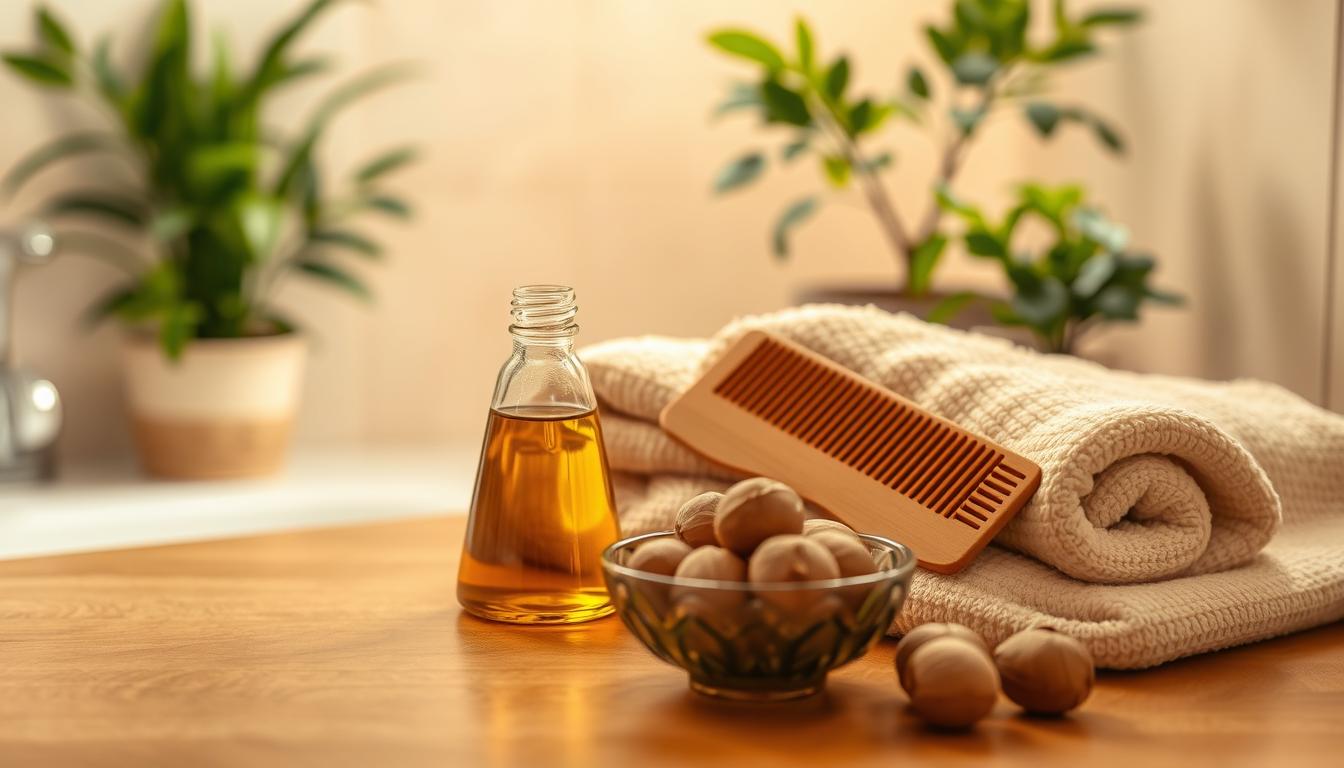
The extract we recommend is pressed from fresh kernels of a tree native to Morocco. That origin matters because it links cultural care with proven benefits. By choosing high-quality argan oil, we tap into a centuries-old remedy.
We have curated clear steps and tips so you can feel confident trying this at home. Our aim is to give accurate, easy-to-follow advice that suits Australian lifestyles and local water conditions.
Start small, test one method, and watch how your hair responds. With the right product and a little patience, frizz becomes manageable and dry hair looks healthier.
Understanding the Benefits of Argan Oil for Hair
We examine the chemical makeup that gives this Moroccan extract its restorative power. Recent research (25 January 2026) notes that kernels of Argania spinosa are cold-pressed to produce a vitamin-rich, nourishing ingredient.
Nutrient profile
The extract is rich in essential fatty acids and vitamin E. These fatty acids penetrate the strand and restore natural moisture. Antioxidants present help neutralise free radicals and protect the follicle.
Hydration and shine
We find the combination of fatty acids and antioxidants strengthens follicles and boosts shine. The anti-inflammatory action soothes the scalp and reduces dryness, which can precede hair loss.
- Deep hydration from fatty acids creates an oil rich protective layer.
- Antioxidants increase resilience against environmental stressors.
- Many modern products include this extract because it improves manageability and shine.
In short: this botanical ingredient supplies moisture, guards against damage, and supports scalp health when used sensibly in routine care.
How to Use Argan Oil for Hair Treatments
Let’s walk through easy application methods to make the most of this botanical treatment. Below we cover three practical techniques you can try at home, each tailored to different needs and schedules.
Creating a Nourishing Hair Mask
Try massaging 8 to 10 drops into the scalp and lengths, then leave for 20–30 minutes. Spend about 10 minutes gently rubbing the mixture in to ensure full coverage.
Rinse with a mild shampoo. Combine this with coconut if you want extra slip and hydration.
Incorporating into Shampoo
Add one to two drops to your daily shampoo dose. This boosts conditioning without weighing the hair down.
Adjust the amount based on length and thickness to avoid buildup.
Using as a Leave-in Conditioner
Rub two to three drops between your hands and smooth through damp ends.
- Styling: helps tame frizz and offers a barrier against heat.
- Breakage: small amounts reduce split ends and improve manageability.
- Practical tip: always start with fewer drops and increase if needed.
Addressing Scalp Health and Dryness
A healthy scalp sets the stage for visible improvement in growth and texture.
We know the scalp is the foundation of strong strands. The anti-inflammatory nature of this botanical helps soothe irritation and reduce flaking. Calm skin supports better circulation and can ease dryness.
Research from 2010 found that vitamin E—abundant in this extract—may improve growth by creating a healthier scalp environment. That finding supports using a small, regular dose to maintain balance.
When you use argan oil to treat dryness, you lower the risk of dandruff and the breakage that can lead to visible hair loss.
- Start with a few drops and massage gently to avoid greasiness.
- Monitor the amount so the scalp feels nourished but not heavy.
- Use regularly as part of a weekly routine to sustain benefits.
In short: targeted scalp care prevents loss and supports long-term vitality. Follow measured use and check your scalp response to find the right amount.
Protecting Your Strands from Heat and Styling Damage
We protect strands by adding a lightweight barrier that lowers moisture loss during styling. This step is fast and works before any heated tool or tight styling.
Minimizing Breakage and Split Ends
The science is clear: a 2013 study found that applying a small amount of argan oil to strands reduced damage from dye and heat styling. This protective layer limits the moisture loss that makes hair brittle.
Key benefits we observe:
- The fatty acids help smooth the cuticle and reduce breakage.
- Antioxidants shield fibres from environmental stressors linked to loss and dullness.
- Light coating on ends prevents split formation and keeps shine.
- Use a modest amount before heat styling to keep elasticity and strength.
Practical tip: Apply to damp lengths, focus on ends, then style on a lower heat setting. Small, regular use gives the best long-term protection.
Selecting the Best Pure Argan Oil
Start your search with packaging and ingredient lists — these reveal quality fast. We look for clear signals that tell us a product is genuine and safe to use.
Look for dark-coloured glass bottles and a cosmetic-use label. Dark glass protects the extract from light. A cosmetic label and a single ingredient entry confirm purity.
- Check for "100% organic" or an equivalent certification before you buy.
- High-quality extract should be odourless; a scent often means additives.
- Remember that a small amount goes a long way — start with a few drops.
- Warm a little between your hands before application to improve absorption.
Practical tip: test a new product in a small area of the scalp first and add one or two drops to shampoo or conditioner to trial less direct use. These simple checks help us choose products that support styling and long-term care.
Conclusion
To wrap up, consistent, gentle treatment protects ends and reduces breakage over time. At nakedpress, we believe that a measured approach delivers lasting shine and improved strand strength.
Use argan oil sparingly and regularly as part of simple DIY treatments. The antioxidants and vitamin E in this ingredient can help protect against loss and improve resilience.
Practical tip, choose a pure product and test small amounts first. With steady use, the benefits of argan oil hair routines become clear: fewer split ends, less breakage and a healthier look overall. Thank you for trusting nakedpress with your care guidance.
Share:
Oregano Oil Benefits: What It Is, How It Works & Safe Uses Explained
DIY Sunflower Oil Face Moisturizer for Dry & Sensitive Skin