Living under the harsh Australian sun can take a real toll on your skin and hair. Many of us search for natural solutions to stay hydrated and protected during our long, dry summers. Choosing the right moisturiser is essential for maintaining a healthy glow throughout the year.
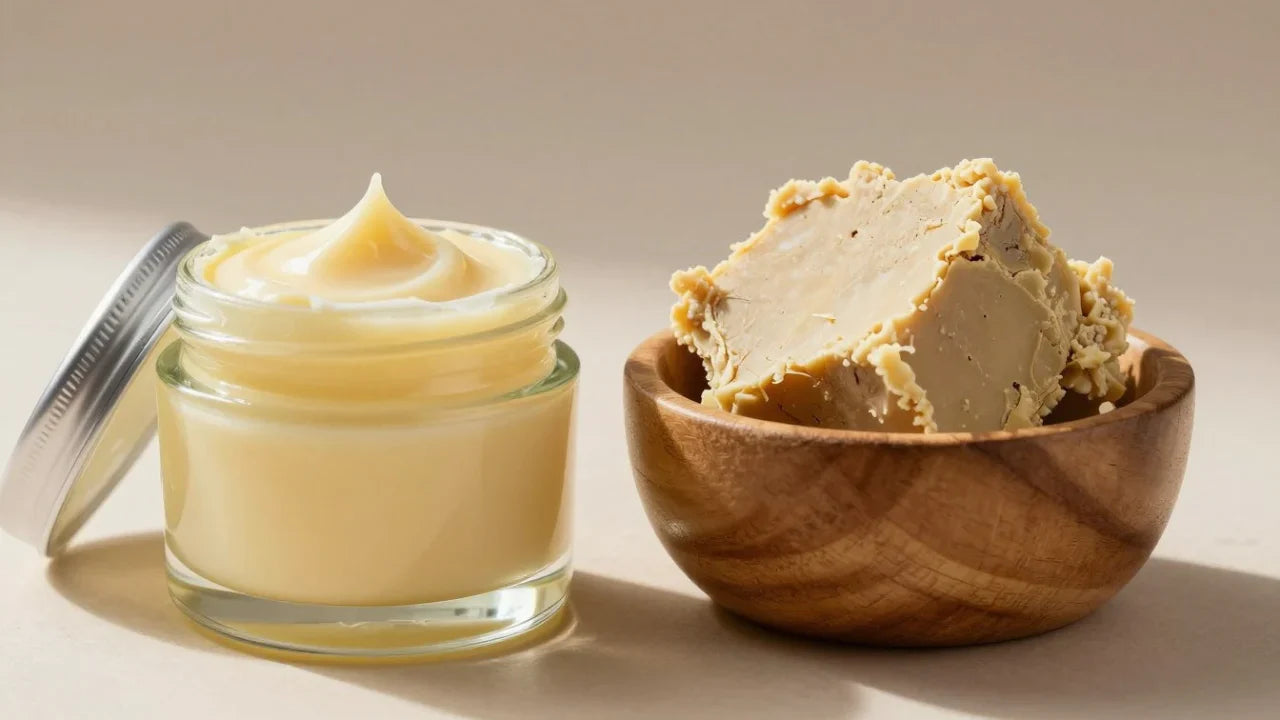
You might have noticed that the way a product is processed changes its final quality. Understanding the differences between refined vs unrefined shea butter helps you make a smarter choice for your daily routine. While one version undergoes heavy filtering, the other keeps its natural nutrients intact.
Selecting the best option ensures your skin receives the maximum benefits from these plant-based fats. We want to help you navigate these choices so you can feel confident in your skincare cupboard. Let’s dive into how these processing methods impact your beauty regime.
Key Takeaways
-
The harsh Aussie climate makes deep hydration a top priority for everyone.
-
Processing methods significantly change the nutrient profile of your skincare products.
-
Natural options often retain more vitamins that help soothe sun-damaged skin.
-
Filtering processes can remove the distinct scent and colour of the raw product.
-
Making an informed choice ensures you get the best value for your money.
Understanding the differences between refined vs unrefined shea butter
The journey of shea butter from a wild nut to a skincare staple involves distinct processing methods that change its final properties. Whether you are browsing for skincare ingredients Australia or simply curious about your moisturiser, knowing how these products are made is vital. This knowledge helps you decide which version best suits your personal needs.
The extraction process of raw shea butter
The traditional shea butter extraction process is a labour-intensive craft that preserves the integrity of the nut. Workers typically collect the fruit, dry the kernels, and crush them into a paste. This paste is then boiled in water, allowing the pure fat to rise to the surface where it is skimmed off and cooled.
This method ensures that the raw shea butter benefits remain intact, including high levels of vitamins A and E. Because no harsh chemicals are used, the resulting product retains its characteristic nutty scent and earthy colour. It is the gold standard for those seeking a truly natural experience.
How refining changes the chemical composition
Refining is a secondary process designed to make the butter more uniform for commercial use. Manufacturers often use high heat, bleaching agents, and deodorisers to remove the natural scent and colour. While this creates a smooth, white product, it unfortunately strips away some of the delicate bioactive compounds.
The refining process essentially creates a neutral base that is easier to incorporate into complex cosmetic formulas. However, this means you lose the raw, potent nutrients that make unrefined butter so effective for skin healing. It is a trade-off between sensory appeal and nutrient density.
Identifying quality in Australian retail markets
When shopping for organic shea butter Australia, it is important to read labels carefully. Look for terms like "cold-pressed" or "unrefined" to ensure you are getting the most authentic product. High-quality raw butter should have a slightly grainy texture that melts instantly upon contact with your skin.
To help you make the right choice, consider the following comparison of key features:
|
Feature |
Unrefined Shea Butter |
Refined Shea Butter |
|
Colour |
Off-white to yellow |
Pure white |
|
Scent |
Natural, nutty aroma |
Odourless |
|
Nutrient Level |
High (Vitamins A, E, F) |
Reduced |
|
Texture |
Slightly grainy |
Smooth and creamy |
Always check for certifications that verify the origin and purity of the product. By choosing reputable suppliers, you ensure that your purchase supports sustainable practices while providing your skin with the best possible care.
Comparing the benefits for skin and hair
Whether you seek deep healing or a smooth finish, the type of shea butter you choose matters. Integrating this versatile ingredient into your natural skincare routine can transform how your skin feels and looks every day.
Nutrient retention in unrefined varieties
When you opt for raw, unprocessed products, you gain access to the full spectrum of unrefined shea butter properties. This version is packed with bioactive compounds that remain intact because the extraction process avoids high heat and chemicals.
Vitamin A and E content
The raw shea butter benefits are largely attributed to its high concentration of essential vitamins. Vitamin E for skin acts as a powerful antioxidant, protecting your complexion from environmental stressors and free radicals.
Furthermore, the vitamin A benefits are significant for those looking to improve skin elasticity and promote cell turnover. These nutrients work together to soothe irritation and support the natural healing process of your skin barrier.
Natural fatty acid profiles
The fatty acids in shea butter, such as oleic and stearic acid, provide deep, long-lasting hydration. These fats mimic the natural oils produced by your body, allowing for rapid absorption without clogging pores.
The practical advantages of refined shea butter
While raw versions are nutrient-dense, many people prefer the consistency of refined products. Understanding refined shea butter uses helps you decide if this version fits your lifestyle better.
Texture and scent considerations
Refined shea butter undergoes a filtration process that removes the characteristic nutty aroma and grainy texture. This results in a smooth, creamy product that is much easier to spread across your skin or hair.
Shelf life and stability
One of the primary reasons for choosing shea butter in its refined state is its improved durability. The refining process removes impurities that can cause the product to spoil, significantly extending the shea butter shelf life.
Choosing the right option for your skin type
Selecting the perfect product depends on your specific beauty goals and skin sensitivity. Use this quick guide to help you decide:
-
Dry or Mature Skin: Opt for unrefined shea butter to maximise the intake of vitamins and fatty acids.
-
Sensitive or Acne-Prone Skin: Refined shea butter is often preferred due to its neutral profile and lighter texture.
-
Hair Care: Both types work well, but refined butter is easier to wash out and leaves less residue.
Conclusion
Selecting the right product comes down to your specific beauty routine and personal preferences. Understanding the debate between pure shea butter vs refined helps you align your purchase with your lifestyle needs.
Unrefined options offer raw potency for those who prioritise natural nutrients. These varieties bring the full power of the nut to your skin. You might prefer this if you enjoy earthy scents and want the most authentic experience available in Australian stores.
Refined versions provide a smooth texture and neutral aroma that many people find easier to use daily. This consistency makes it a popular choice for those who mix their own lotions or hair masks. It remains a reliable staple for anyone seeking a predictable result every time.
Finding the best shea butter for hair requires balancing these unique traits against your goals. You should consider how the product feels on your scalp and whether the scent fits your routine. Experimenting with both types will reveal which one works best for your unique hair texture.
Share your experiences with these different varieties in the space below. Tell us which version you prefer for your daily self-care rituals. Your feedback helps others in our community make informed decisions about their skincare journey.
FAQ
What is the main difference between refined vs unrefined shea butter?
The primary difference lies in the processing. Unrefined shea butter is extracted using traditional methods like mechanical pressing or boiling, which allows it to retain its natural bioactive compounds and characteristic nutty scent. On the other hand, refined shea butter undergoes bleaching and deodorising to create a white, scentless product with a smoother texture, though this process strips away some of the original nutrients.
Which option is better for a natural skincare routine in the harsh Australian climate?
For those looking to combat the harsh local climate, unrefined varieties are often the top choice. Because they are minimally processed, they maintain high levels of Vitamin A and E and natural fatty acid profiles. These elements provide deep hydration and support skin healing, making it a powerhouse for maintaining healthy skin and hair despite the Aussie sun.
Why would someone choose refined shea butter instead of the raw version?
Refined shea butter is highly valued for its practical advantages, such as an extended shelf life and stability. Many users prefer it for DIY beauty recipes because of its neutral scent and consistent, creamy texture. If you have a sensitive nose or are looking for a product that won't compete with your favourite perfumes, the refined version is a fantastic, convenient option.
Does the extraction process of raw shea butter affect its quality?
Yes, it certainly does. Raw shea butter that is traditionally extracted via mechanical pressing ensures that the nutrient retention remains high. By avoiding the high heat and chemicals used in the refining process, the butter stays packed with the essential fats needed for skin elasticity. When shopping at local retailers like Biome or Perfect Potion, looking for "cold-pressed" labels is a great way to ensure you are getting pure shea butter.
How do I choose the right shea butter for my specific skin type?
Choosing the best shea butter for hair and skin depends on your personal needs. If you have very dry or damaged skin and want maximum nutrient density, organic shea butter Australia in its unrefined state is ideal. However, if you have oily or acne-prone skin and find raw butter too heavy, a refined version might offer a lighter feel while still providing a protective barrier.
How can I identify high-quality organic shea butter Australia in retail markets?
When browsing the shelves of Australian health shops, look for the colour and scent. Pure, unrefined shea butter typically has a yellowish or ivory hue and a distinct, earthy aroma. If the product is stark white and completely odourless, it has been through the refining process. Checking for certifications from brands like Naked Foods can also help you verify that you are purchasing an authentic, high-quality product.
Share:
Hemp Seed Oil: Benefits, Uses, and How to Choose the Best One in Australia
Liquid Castile Soap Recipe: Easy DIY Guide for Beginners