

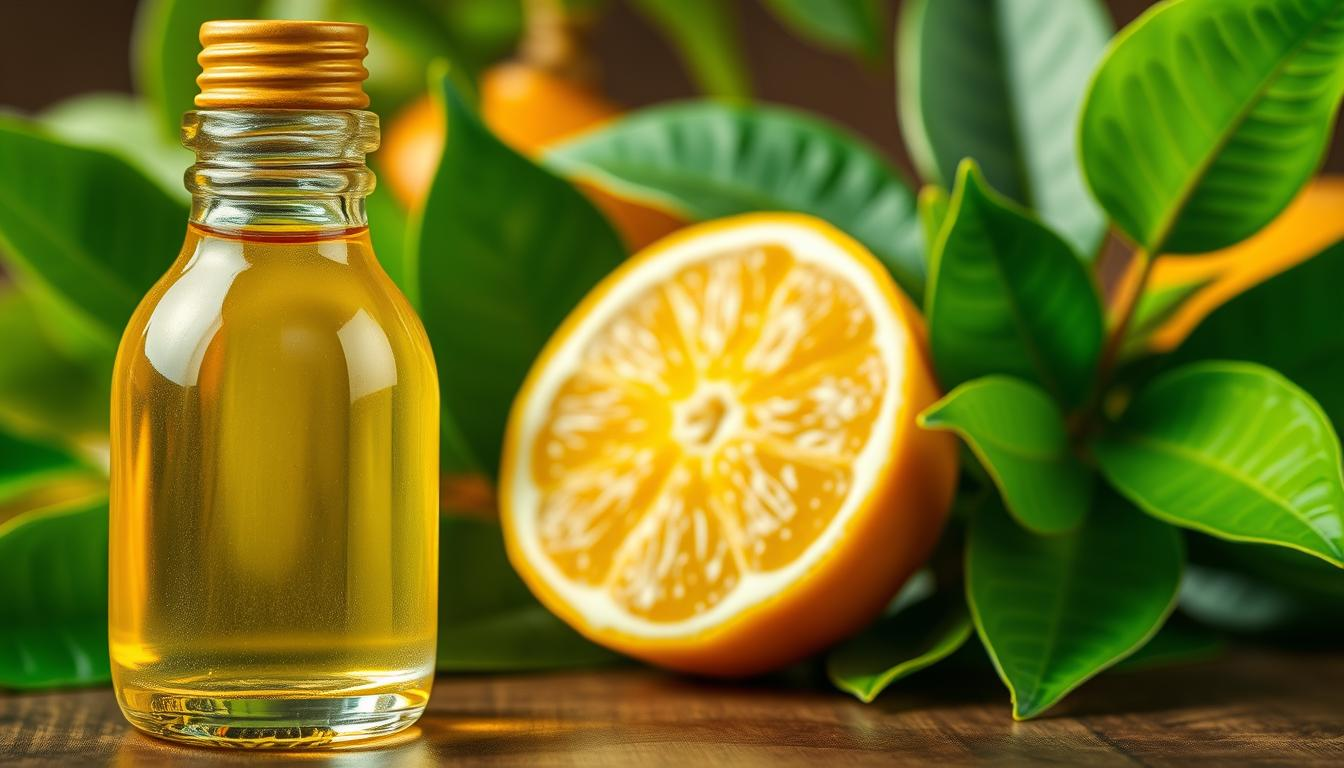
We introduce a practical, evidence-led guide on bergamot drawn from Citrus bergamia rinds. In this article we balance claimed benefits with clear safety steps so Australians can try aromatherapy and topical routines with confidence.
Research shows compounds such as linalool and limonene may support mood, antimicrobial action and skin comfort. We will outline what human and lab studies actually show, plus where findings remain preliminary.
We’ll also cover safety: dilution, patch testing, phototoxicity and why ingestion is never advised. We introduce nakedpress as our trusted Australian source and set expectations for simple dilution ratios, diffuser routines and blend ideas.
Our aim is a clear, practical resource that helps us enjoy scent and stress relief while protecting skin and health.
What is bergamot essential oil and why it’s loved in Australia right now
Let’s unpack what this citrus rind extract is, where it comes from and why Australians are choosing it for home scent and skin rituals.
Origin and extraction
This rind-derived extract comes from the fruit of Citrus bergamia, named for Bergamo in Italy and now grown in several regions worldwide.
Cold pressing the peel keeps more delicate compounds, while steam distillation and CO2 extraction are also common. Extraction choice affects aroma and performance in products.
Scent profile and why people use it
The aroma is citrus-forward with a subtle floral-spicy edge that blends well into perfumes, room sprays and natural skin routines.
Key active compounds
-
limonene — antioxidant-linked potential
-
linalool & linalyl acetate — soothing and astringent-related actions
-
α‑pinene — bright, uplifting aromatherapy notes
The same mix of compounds that makes it popular in perfumes also explains mood and skin outcomes seen in research.
We recommend sourcing from reputable brands like nakedpress and always practising dilution, patch testing and sun care to enjoy the scent and skin uses safely.
bergamot essential oil benefits: the evidence at a glance
Below we summarise the strongest signals from lab tests, animal work and early human trials so you can scan the evidence quickly.
Mood support and stress relief
In small human trials, inhalation linked to reduced anxiety and less fatigue. These aromatherapy findings are the most consistent and offer a low‑barrier option for stress relief.
Skin care: acne, irritation and wound-healing potential
Topical, diluted use and rinse-offs have shown promise for spot treatment of acne and minor irritation. Mechanisms include anti‑inflammatory and immunomodulatory actions, but daylight phototoxicity means we must be cautious with daytime use.
Hair and scalp comfort
Users report softer hair and calmer scalps. A 2019 review found animal signals for growth support, yet robust human trials are still needed.
Antimicrobial and antifungal properties
In vitro work shows activity against certain bacteria and fungi. These lab results are encouraging but do not replace medical treatment for infections.
Cardiometabolic signals
Reviews and animal studies suggest flavonoid-rich extracts may affect lipids and liver inflammation. This relates to compounds in the fruit rather than ingesting concentrated product.
-
Evidence tiers: in vitro, animal, preliminary human trials.
-
Practical takeaway: start with inhalation for stress and use careful, diluted spot application for skin.
-
Safety note: patch test, dilute, avoid sun exposure after topical use.
We’ll translate these findings into safe, practical routines in the how‑to sections that follow.
Mood, stress and sleep: aromatherapy uses backed by studies
Research and clinical pilots increasingly point to inhalation as a practical way to ease nerves and support sleep. Inhaled scent engages the limbic system, which helps regulate emotion and stress responses.
How inhalation can help with anxiety and low mood
Small human studies found vapour lowered salivary cortisol and reduced negative emotion in healthy women. Short, focused sessions (10–15 minutes) often gave measurable mood shifts.
Diffuser and steam inhalation: practical drop counts
For a 200–300 mL ultrasonic diffuser, start with 5–8 drops and run for 20–30 minutes. Adjust by room size and sensitivity.
For steam inhalation, add 3–5 drops to hot water, drape a towel and breathe gently for 3–5 minutes. Avoid if you have asthma or sensitive eyes.
Pre-bed rituals to support better sleep quality
Diffuse a calming blend for 30 minutes before bed, dim lights and practise slow nasal breathing. Pairing with lavender and Roman chamomile often enhances relaxation.
Practical on-the-go and topical tips
-
Add 1–2 drops to a tissue or personal inhaler for discreet support during commutes.
-
For a shoulder massage use 5 drops in 1 tablespoon carrier oil; avoid sun after application due to phototoxicity.
These routines can help reduce everyday stress and aid sleep, but they aren't a substitute for clinical care. We recommend a high-quality product from nakedpress for consistent scent and performance.
Skin benefits and how to apply safely
Targeted topical use can ease blemishes when we follow safe dilution and testing. Below we outline practical spot routines, rinse options and clear sun safety so you can try products with confidence.
Spot treatment for acne and small skin concerns
Night spot care: dilute 1–2 drops of bergamot oil per teaspoon of carrier oil and dab on cleansed skin. Limit to small areas and use once nightly.
DIY additions to cleansers, masks and baths
For a rinse-off boost, add 1–2 drops to your face cleanser or a bowl of water. Keep contact brief and avoid eyes and mucous membranes.
Phototoxicity and bergapten-free options for daytime
Cold-pressed variants can sensitise skin under sunlight. Keep treated areas out of sun for 12–24 hours or choose bergapten-free (FCF) bergamot essential options for daytime use.
-
Patch test: apply double the planned dilution to the forearm and wait 24 hours.
-
Properties: soothing, antibacterial and anti‑inflammatory actions can complement standard care.
-
Hygiene: use fresh cotton tips and store blends in amber bottles.
-
Extra caution if you take photosensitising meds; prefer FCF products from nakedpress and check product notes.
If irritation occurs, stop use and seek professional advice.
Hair and scalp: softness, calm and possible growth support
Small, regular rituals are often the easiest way to improve scalp comfort and hair texture.
Users report softer hair and reduced itching when they add a few drops to hair care. Evidence from reviews and animal studies hints at growth support, but we set realistic expectations for human outcomes.
Adding drops to shampoo and conditioner
Try 2–3 drops in a palmful of shampoo or conditioner. This gives a fresh scent and perceived softness without heavy residue.
Overnight scalp massage with a carrier oil
For an overnight treatment, mix 1–2 drops into 1 tablespoon of a lightweight carrier. Part hair, massage gently for 3–5 minutes, leave on overnight and wash in the morning.
-
Patch test behind the ear before wider use.
-
Prefer evening routines and wash out before sun exposure due to phototoxicity risk.
-
Rotate oils and avoid strong, leave‑in concentrations to reduce sensitivity and buildup.
-
If you have active dermatitis or wounds, seek professional advice first.
Consistent weekly care can help manage frizz and scalp comfort, but these soothing routines complement—rather than replace—treatment for medical conditions. For reliable quality and batch info, we recommend nakedpress.
Beyond beauty: antimicrobial, anti-inflammatory and lipid support
Lab and preclinical work gives us a clearer picture of how this citrus extract interacts with microbes and inflammatory pathways.
What studies suggest about bacteria and fungi
In vitro studies show that certain concentrations of bergamot oil can inhibit growth of select bacteria and fungi, including organisms linked to food-borne illness and Aspergillus strains.
Key point: activity depends on formulation and dose, so these lab results do not replace medical treatment for infections.
Pain and inflammation: the role of linalool
Pharmacological reviews highlight linalool as a compound that can modulate pain and inflammation in animal and lab models.
Topical blends with bergamot essential can help reduce perceived discomfort during massage or short-term skin care, but clinical pain conditions need professional assessment.
-
Preclinical lipid and liver signals come mainly from flavonoid-rich extracts, not from ingesting concentrated bergamot oil.
-
Use these findings to inform topical and aromatic routines rather than systemic expectations.
-
Always patch test and follow accurate dilution to keep skin experiences predictable and safe.
We’ll now translate these insights into clear dilution and blending guidance in the next section.
How to use bergamot essential oil correctly
Below we set out practical dilution rules and diffuser counts for everyday use. Follow these steps to get the best results while keeping safety front of mind.
Topical dilution guide with carrier oils
Face: 1% — 1 drop per 5 mL carrier. We prefer jojoba for facial blends.
Body: 2–3% — 2–6 drops per 10 mL carrier. Sweet almond suits most skin types.
Spot work: up to 3% for short-term use. Label small bottles with date and ratio.
Aromatherapy at home: diffuser, room spray and on-the-go
For diffusers, start with 5–8 drops for 20–30 minutes. Repeat 2–3 cycles daily if wanted.
Room spray: mix 20–30 drops with 30 mL ethanol and top with 70 mL distilled water. Shake before each use.
On-the-go: add a drop to a personal inhaler or a cotton pad in a zip bag for discreet scent relief.
Smart blends for different goals
-
Relax: bergamot + lavender + Roman chamomile (adjust ratios to preference).
-
Clarify: bergamot + tea tree + lemon for short, dilution‑safe use.
-
Uplift: bergamot + grapefruit + cedarwood for a bright, grounding mix.
Phototoxicity is real with cold‑pressed types — avoid sun or choose bergapten‑free for daytime. Never ingest, always patch test and keep products away from children.
Shop quality: For batch transparency and reliable results, buy our recommended product from nakedpress: https://nakedpress.com.au/products/bergamot-oil
Side effects, risks and who should be careful
Safety matters: knowing common reactions and simple checks keeps our routines low risk and reliable.
Allergic reactions and patch testing steps
Do a patch test before wider use. Mix a higher test concentration and apply a small amount to the inner forearm.
Cover the spot and watch for 24 hours. Stop immediately if you see redness, hives, burning or blisters.
Sunlight exposure and photosensitivity
Cold-pressed extracts can contain bergapten, which makes skin sensitive to sunlight.
Avoid direct sunlight on treated areas for 12–24 hours, or choose bergapten-free options for daytime use.
Pregnancy, children and medicine interactions
Women who are pregnant should use lower concentrations and consult their care team before using this product.
Keep all oils out of reach of children. Some medicines and conditions can interact with topical or inhaled oils; check with a pharmacist or GP first.
Important safety note: do not ingest essential oils
Do not ingest. Oral use can cause serious toxicity and is not part of safe aromatherapy practice. Essential oils are not regulated for purity, so buy from reputable sources like nakedpress.
-
Rotate rest days to reduce cumulative sensitivity from frequent application.
-
If you experience dizziness, breathing difficulty or systemic reactions, stop use and seek medical review.
-
People on photosensitising prescriptions must be especially careful with sunlight after application.
Informed routines let us access the calming and skincare potential reported in studies while keeping health risks low.
Conclusion
We close with a strong, practical wrap-up to help us use bergamot responsibly at home.
Evidence favours inhalation: short sessions can help reduce stress, lower anxiety and support better sleep without ingestion. Topical, diluted use may aid spot care for skin and soothe the scalp, though growth claims remain preliminary.
Lab data on antimicrobial and anti‑inflammatory action are promising but not a replacement for medical treatment. Always patch test, dilute correctly and avoid sunlight with cold‑pressed types. Never ingest.
Choose a quality bottle, start with low drops in a diffuser and build blends for breathing, bedtime and body care. Shop Bergamot Essential Oil from nakedpress for Australian guidance and batch transparency: https://nakedpress.com.au/products/bergamot-oil
FAQ
What is bergamot oil and why is it popular in Australia?
We describe it as a fragrant citrus extract obtained from the rind of Calabrian fruit. Australians favour it for aromatherapy, mood support and light skincare uses because of its fresh, uplifting scent and research indicating calming effects. It’s widely used in blends, massage therapy and personal care products.
How is this extract produced and what does it smell like?
Producers use cold-pressing of the peel or steam distillation to obtain the aromatic liquid. The aroma is bright, citrusy and slightly floral, with green top notes. Key compounds give it both zesty and soft floral facets that suit blends with lavender and chamomile.
What are the main active compounds we should know about?
The profile includes limonene, linalool, linalyl acetate and α‑pinene. These constituents contribute to the scent, relaxing properties and antimicrobial activity seen in lab studies.
Can this extract help reduce anxiety and support mood?
Yes — inhalation studies show short-term reductions in anxiety and improvements in mood. We recommend using it in a diffuser, inhaling from a tissue or adding a few drops to a steam inhalation for brief relief during stressful moments.
How many drops should we use in a diffuser or steam inhalation?
For a standard home diffuser, start with 3–5 drops. For steam inhalation, 1–2 drops in a bowl of hot water is enough. Always follow manufacturer instructions and keep sessions to 15–30 minutes.
Does it help with sleep and pre-bed routines?
It can support sleep when used as part of a calming ritual. We suggest pairing it with chamomile or lavender in a diffuser 30–60 minutes before bed to promote relaxation and prepare the body for rest.
Is it useful for acne, irritation and wound healing on skin?
Laboratory research indicates antimicrobial and anti-inflammatory effects that may help minor blemishes and irritated skin. We advise dilute topical use and short-term application to small areas rather than widespread treatment.
How should we apply it to the skin safely?
Always dilute in a carrier such as jojoba, sweet almond or fractionated coconut oil. A safe starting dilution is 0.5–2% (about 3–12 drops per 30 ml of carrier). Perform a patch test on the inner forearm and wait 24 hours for reactions.
Is there a risk of phototoxicity with topical use?
Yes — some citrus extracts contain bergapten, which causes photosensitivity. Choose bergapten-free (often labelled “FCF” or “bergapten-free”) options for daytime use, and avoid sun exposure for 12–24 hours after applying products that might contain phototoxic compounds.
Can we add drops to shampoos and conditioners for scalp benefits?
Yes — adding a few drops to your shampoo or diluting in a carrier for a pre-wash scalp massage can soothe the scalp and support a healthy environment. Keep concentrations low and rinse well to avoid irritation.
Are there antimicrobial or antifungal effects supported by studies?
In vitro studies show action against certain bacteria and fungi, largely thanks to compounds like linalool and limonene. While promising, clinical evidence on humans is limited, so we use it as an adjunct to standard hygiene rather than a sole treatment.
Could this extract affect cholesterol or liver markers?
Early animal and small human trials suggest possible effects on lipid profiles and inflammation, but evidence remains preliminary. We don’t recommend using it as a substitute for medical treatment for cardiometabolic conditions.
How do we dilute before topical application — what carrier oil ratios do you recommend?
For adults, 1% dilution equals about 6 drops per 30 ml carrier; 2% equals about 12 drops per 30 ml. For children, pregnant people or sensitive skin, start lower (0.25–0.5%). Use stable carrier oils like jojoba, avocado or sweet almond for best skin compatibility.
What blends work well for relaxation, clarity and mood uplift?
For relaxation, pair with lavender and chamomile. For clarity and focus, mix with rosemary and lemon myrtle. For uplifting energy, blend with orange or litsea cubeba. Keep total dilution appropriate for the intended use and user.
Where can we buy quality products in Australia?
We recommend reputable retailers and brands that provide GC‑MS testing and clear sourcing info. Nakedpress offers bergamot oil with product details at Nakedpress Bergamote Oil — check purity and bergapten-free labelling if you need daytime-safe options.
What safety concerns should people be aware of?
Patch-test for allergic reactions, avoid sunlight after topical use unless the product is bergapten-free, and do not ingest. People who are pregnant, breastfeeding, on medication or with liver conditions should consult a healthcare professional before use.
Can children and pregnant people use this extract?
Use caution. We advise lower dilutions for children and avoidance or professional guidance during pregnancy and breastfeeding. Always consult a qualified health practitioner before use in these groups.
What should we do if a skin reaction occurs?
Discontinue use immediately, wash the area with gentle soap and water, and seek medical advice if the reaction is severe or spreads. For respiratory symptoms after inhalation, move to fresh air and consult a clinician if symptoms persist.
Are there any interactions with medications?
Some compounds may affect drug metabolism though direct interactions are rare at typical topical or aromatic doses. If you take prescription medicines, especially for the liver or central nervous system, discuss use with your pharmacist or doctor first.
Is ingestion ever safe?
We strongly advise against ingesting aromatic extracts unless under the guidance of a qualified medical or naturopathic practitioner experienced in therapeutic internal use. Household use should be external and aromatic only.
Share:
Rosehip Oil for Hair: Benefits & How to Use
Bergamot Essential Oil: Uses, Benefits, Aromatherapy Effects, and Safety Guide