

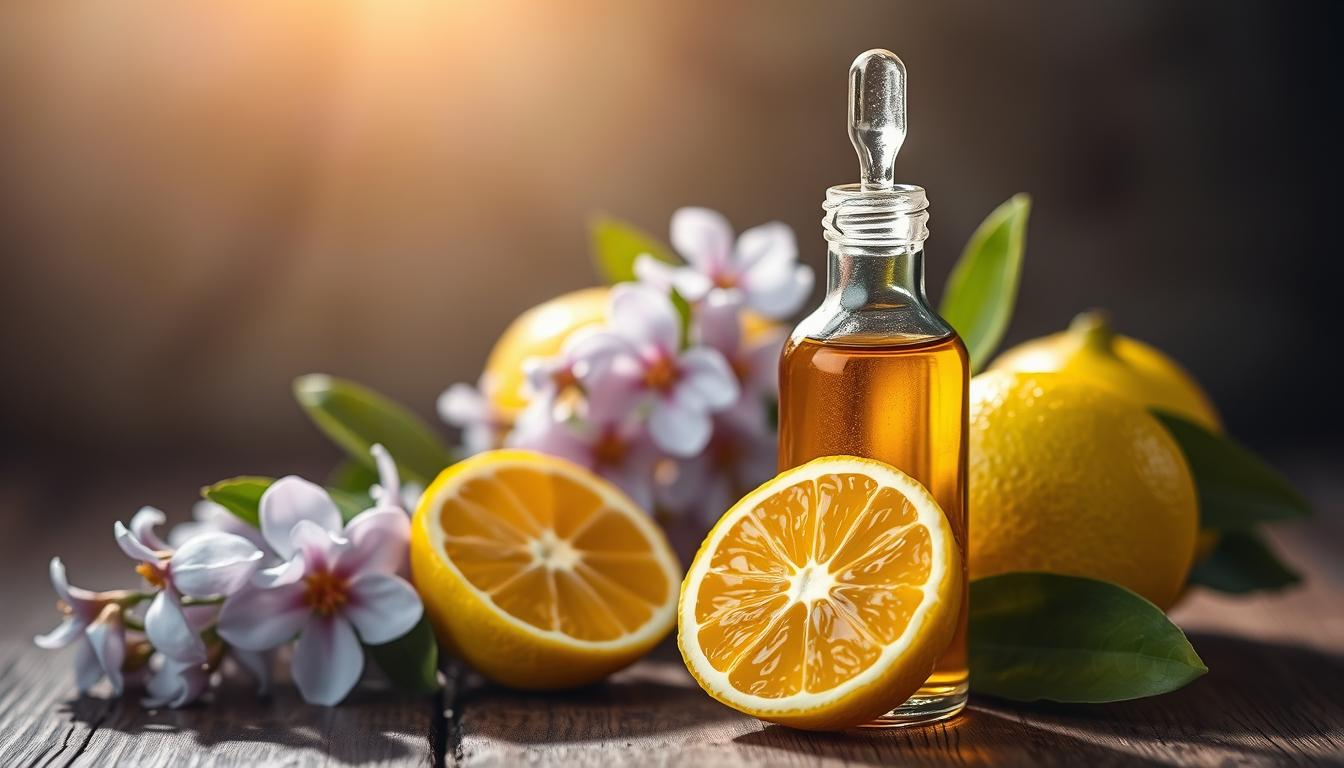
We introduce what this citrus product is and why we rate it for mind and body. Our Buyer’s Guide helps you compare uses, benefits and safety so you can choose confidently for home aromatherapy and everyday care.
We set clear expectations on quality: cold-pressed rind from Italy, labelled Citrus bergamia Peel Oil (INCI), CAS 8007-75-8, with stable constituents like d-limonene and linalool.
In Australia, the oil fits modern wellbeing routines — diffusion for mood, diluted topical use for skin comfort, and quick inhalation or a warm bath for fast calm.
Safety first: phototoxicity under sunlight means cautious application on exposed skin, and we follow TGA-aligned advice to never ingest these products.
We write for people who want clear, practical guidance on comparing sizes, properties and pricing, and for those who want to shop confidently. When you’re ready, shop our pick from nakedpress for in-stock sizes from 15 ml to 20 kg, ready to ship Australia-wide.
Why we rate bergamot essential oil for mind and body
C knowing how a product is made and where it comes from helps us trust its fragrance and effects. We name the product: Bergamot Essential Oil from nakedpress. Its botanical INCI is Citrus bergamia Peel Oil, sourced from Italian fruit rind and cold pressed to keep volatile compounds intact.
What it is: cold-pressed Citrus bergamia rind extract
This oil contains key constituents such as d-limonene and linalool listed on technical sheets. Cold pressing preserves those ingredients, which helps explain the fresh top-note character and guides how we store and use the product.
Signature aroma profile: citrusy, fresh, slightly floral
The aroma is bright and uplifting. It lifts a room fast in a diffuser and blends well with a base note to extend the scent trail.
-
Use: quick pre-work uplift or evening calm.
-
Skin: dilute with a suitable carrier oil before topical use.
-
Authorship: match the product name and origin for consistency.
Science-backed benefits: what the research suggests
Evidence from inhalation and lab studies helps us understand possible mental and topical benefits. We summarise what trials and reviews currently indicate, staying cautious and practical.
Mood support and stress reduction via inhalation
Small inhalation studies report reduced anxiety and fatigue and improved mood markers. For mental health support, diffusion is the usual study route and may help ease perceived stress in daily life.
Antibacterial and antifungal activity for skin and home
Reviews show in vitro antimicrobial properties against certain bacteria and fungi. These findings highlight useful cleaning or topical adjuncts, while real-world effectiveness varies by conditions.
Pain and inflammation: the role of linalool and carvacrol
Research reviews link linalool and carvacrol to analgesic and anti-inflammatory actions. When formulated safely and diluted, this may help reduce mild discomfort in topical routines.
Cholesterol and metabolic markers: emerging evidence
Flavonoids from citrus bergamia show promise to help reduce cholesterol and influence metabolic markers. This is early evidence and not a substitute for medical care.
-
Practical note: add drops to a diffuser for mood support or use diluted spot applications for skin, after patch testing.
-
Safety: essential oils are not TGA-registered medicines; consult your GP for health conditions.
How to use bergamot essential oil safely day to day
Daily use should be simple, controlled and tuned to your routine so benefits come without surprises. We offer step‑by‑step application tips for home aromatherapy and topical care.
Diffusers and vapourisers
For room aroma, add drops to an aromatherapy diffuser or electric vapouriser. Start with 3–4 drops and adjust to comfort.
Try short pulse sessions or intermittent cycling to keep scent balanced and conserve product.
Topical blends and rollers
Make a 15 ml roller by adding 4–6 drops into fractionated coconut as carrier oil. This gives a handy spot‑care product for wrists and temples.
Massage, baths and fast methods
For massage, dilute a few drops in 10–30 ml carrier to hit a 2–4% range for body work. For baths, pre‑mix 2–4 drops in a dispersant or carrier before adding to water.
Fast aromatherapy: 1–2 drops on a tissue for brief inhalation away from the skin.
Blending ideas and labelling
Soften and extend blends with lavender or chamomile, and add a bright note with lemon. Avoid stacking multiple photosensitising oils for daytime wear.
-
Application roadmap: face 1–2%, body 2–4%.
-
Label: include date, dilution and ingredients on homemade products.
-
Care: keep blends away from eyes and mucous membranes.
Safety first: phototoxicity, dilution, and Australian sun
We focus on clear, evidence‑led precautions for topical use in bright UV climates.
Phototoxicity explained
Bergaptens are natural furanocoumarins that can make an essential oil cause photosensitivity when skin meets strong sunlight.
That means a quick outdoor stint after application can lead to redness or darkening. To reduce risk, reserve daytime application for covered skin or choose bergapten‑free options.
Adult dilution guide and application tips
We use conservative blends: face 1–2% (2–4 drops per 10 ml carrier oil), body and massage 2–4% (4–8 drops per 10 ml). Always mix with a suitable carrier oil and label the blend.
Patch testing and sensitivity checks
Do a 24‑hour patch test on the inner forearm. Watch for irritation, itching or increased sensitivity. If any signs appear, stop use and lower concentration or consult a practitioner.
Vulnerable groups, ingestion and storage
We advise avoiding use during pregnancy and breastfeeding, and keeping products away from children and pets.
We do not ingest essential oils; this aligns with TGA‑informed practice and protects your health. Store bottles tightly closed in a cool, dark place and wash hands after application to prevent transfer to eyes or mucous membranes.
Bergamot essential oil vs bergapten-free options
Choosing between standard and de‑bergaptenised options affects how and when you can wear this citrus extract. We help buyers decide which form suits daytime routines in Australia and what to check on the label.
When to choose bergapten-free for daytime wear
If you want a leave‑on fragrance or plan to be outdoors, pick a bergapten‑free (FCF/debergaptenised) certified organic option. It retains a bright scent but removes phototoxic components so sunlight exposure is safer.
Reading labels: INCI names and country of origin
Look for the INCI Citrus bergamia Peel Oil and clear wording such as "FCF" or "debergaptenised". Confirm origin — Italian cold‑pressed rinds are a quality signal — and check batch documentation for ingredients and testing details.
-
Properties: bergapten‑free gives a similar citrus profile with lower phototoxic risk.
-
Uses: choose bergapten‑free for leave‑on skin, standard for evening blends or rinse‑off products.
-
Skin tips: dilute, patch test for 24 hours and start with conservative doses to avoid irritation.
Buyer’s guide: quality checks, sizes, and how to choose
Smart buying starts with simple checks: purity, extraction method and origin. We use these points to decide which product suits personal use or larger production.
Purity and ingredients
Check the label: the ingredients should read 100% Citrus bergamia Peel Oil. Look for batch numbers and test certificates to confirm consistency.
Extraction method and key constituents
Cold‑pressed rind is the standard for bright citrus character. We review content notes for d‑limonene and linalool, as these affect aroma, volatility and blend behaviour.
Which size fits your routine
Choose 15 ml for trials and personal diffusers. Pick 100 ml for regular at‑home use. Select 500 g to 20 kg if you make soaps, candles or skincare.
-
Estimate drops: smaller bottles suit frequent top‑note use; bulk saves cost for makers.
-
Quality cues: fresh, bright scent, light yellow‑green colour and consistent batches.
-
Health & skin: decide standard vs. bergapten‑free for leave‑on products and label facial vs. body blends.
-
Storage & carrier tips: amber glass, cool dark place; use a suitable carrier and seal caps tightly.
Shop Bergamot Essential Oil from nakedpress.
Ready-to-ship sizes make it simple to add a bright citrus scent to your routine this week. We stock cold-pressed rind extracted in Italy with a citrusy, fresh and slightly floral aroma.
Our pick: Bergamot Essential Oil from nakedpress is in stock and ready to ship Australia‑wide. Choose 15 ml for trials, 100 ml for regular use, or 500 g–20 kg for makers and studios.
How we use it
-
Diffuser sessions: add drops to a diffuser for short, uplifting cycles.
-
Roller blends: mix with a carrier oil in a labelled 15 ml roller for an evening reset.
-
Massage tip: one careful single-drop addition into a massage blend for shoulders to lift mood without heaviness.
Pairing and quick notes
Try one part lemon to two parts bergamot in a room diffuser for a bright morning ambience that suits open-plan living areas.
Benefits we seek: mood-lifting aroma, easy blending with oils like lavender or lemon, and a clear top note that refreshes rooms without lingering weight.
Ready to buy? Purchase now at nakedpress and follow our safety notes for comfortable skin experiences.
Conclusion
, We wrap up with a simple, science‑led summary so you can enjoy bright citrus aromatherapy safely.
Used thoughtfully, bergamot oil may help ease perceived stress, support mood and complement mental health routines. For skin care, respect dilution: 1–2% for the face and 2–4% for the body, and always mix in a suitable carrier oil. Avoid sunlight for 24 hours after topical application to prevent photosensitivity.
Patch test before wider application, spot‑test on acne‑prone areas and stop if sensitivity appears. Choose quality by checking the label for Citrus bergamia Peel Oil, cold‑pressed fruit rind and clear batch content. We stock Bergamot Essential Oil from nakedpress in sizes from 15 ml to 20 kg — explore or buy now at nakedpress and start with small drops, gentle blends (try lavender) and conservative routines.
FAQ
What is this citrus-derived extract and how is it made?
We use cold-pressing of Citrus bergamia rind to obtain the fragrant extract. The method preserves volatile compounds like d-limonene and linalool, giving a bright, slightly floral aroma commonly used in aromatherapy and topical blends.
How might this extract help mood and stress when inhaled?
Research suggests inhalation may support relaxation and reduce stress markers. We recommend diffusing a few drops in a vaporiser for short sessions to uplift mood and promote calm without overexposure.
Can it help with skin and household microbes?
Laboratory studies show antibacterial and antifungal activity against several strains. We advise careful dilution in a carrier oil for topical spot treatments and using properly formulated products for surface cleaning.
What about pain and inflammation relief?
Active constituents such as linalool contribute to anti-inflammatory and analgesic effects in studies. We suggest combining diluted topical application with gentle massage or using aromatherapy as part of a wider pain-management plan.
Are there any metabolic benefits supported by evidence?
Emerging studies indicate potential improvements in cholesterol and other metabolic markers, but evidence remains preliminary. We treat such findings as promising rather than conclusive and encourage further research.
How should we use this extract safely in a diffuser or vaporiser?
Add just a few drops to water in the device and run for 15–30 minutes, then ventilate the room. We avoid continuous long sessions and recommend lower amounts around children and pets.
What dilution do we recommend for topical blends and massage?
Use a carrier like sweet almond or fractionated coconut oil. For general body work we suggest 1–2% dilution (about 6–12 drops per 30 ml). For facial use stick to 0.25–0.5% and always spot-test first.
Can we add it to baths or use fast aromatherapy methods?
Yes, provided it is dispersed in a bath base (milk or an emulsifier) and kept to a low dilution. For inhalation, place a drop on a tissue or wrist for brief, controlled exposure rather than heavy concentration.
Which blends work well with this extract?
We often pair it with lavender, chamomile and lemon for calming, citrus-herbal blends. Use small ratios for balance and test scent strength before extended use.
What is phototoxicity and how do we manage it with daytime use?
Certain compounds called bergaptens increase sun sensitivity. We advise avoiding skin exposure to direct sunlight or UV for 12–24 hours after topical application unless using a bergapten-free variant.
When should we choose a bergapten-free option?
Choose a bergapten-free product for daytime skincare or if you expect sun exposure. These formulations lower phototoxic risk while preserving aromatic benefits.
How do we read labels to confirm quality and origin?
Look for INCI name Citrus bergamia, 100% purity with no added synthetic fragrances, and clear country-of-origin labelling. GC-MS reports from reputable brands provide the most reliable composition details.
What dilution and precautions apply for pregnant people, breastfeeding, children and pets?
We recommend avoiding use during pregnancy unless guided by a qualified clinician. For breastfeeding and young children use much lower dilutions and limit inhalation. Keep concentrated products well away from pets and consult a vet for species-specific advice.
Why do we advise against ingestion?
Oral use carries risks of toxicity, contamination and dosing errors. We follow Therapeutic Goods Administration-aligned guidance and do not recommend ingesting volatile extracts without medical supervision.
What should we check when buying to ensure purity and suitability?
Check for 100% Citrus bergamia peel extract, a clear extraction method (cold-pressed), batch numbers and GC-MS data, plus reputable Australian retailers like Nakedpress for transparent sourcing and shipping across Australia.
Which bottle size is best for regular users?
For occasional home use a 15 ml bottle balances cost and freshness. Frequent users may prefer larger sizes, but we advise storing away from heat and light to maintain stability.
Share:
Bergamot Essential Oil Benefits for Skin, Mood, and Hair Backed by Research